Loading place...
Skip to main content
Photos
5 images



Duration
20 min
Entry Fee
Free
Overview
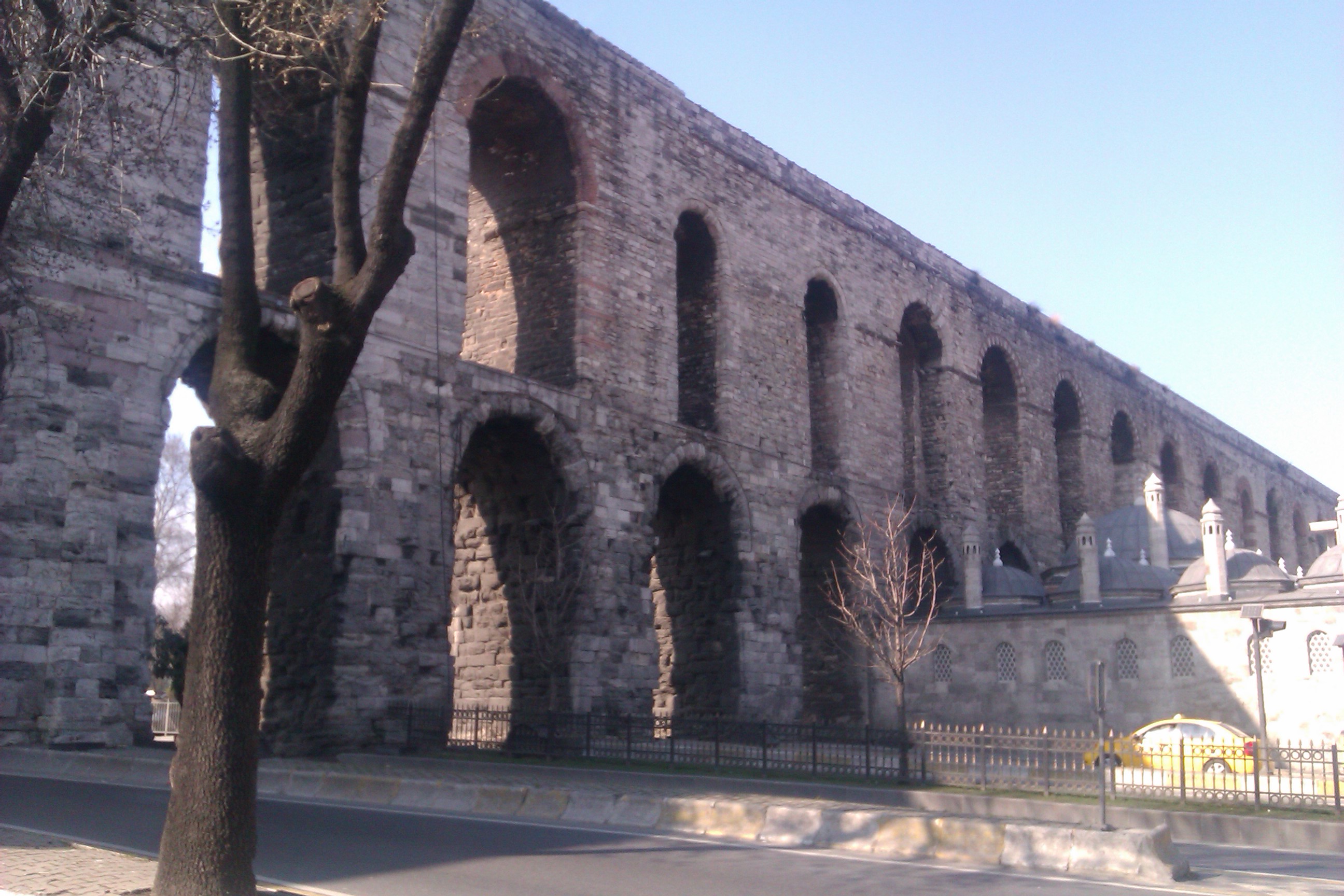
A 971 m double-arched Roman aqueduct spanning the valley between Istanbul's third and fourth hills, built in 368 CE and still one of the most dramatic ancient engineering feats visible in the city.
Highlights
- Scale: Nearly a kilometre of surviving stonework, standing up to 20 m above modern Atatürk Boulevard.
- Illumination: Floodlit at night, turning the ancient arches into a striking urban backdrop.
- Walking beneath: The modern road passes directly under the arches, making for dramatic photos.
History
Emperor Valens completed the aqueduct in 368 CE using masonry recycled from the walls of Chalcedon. It supplied Constantinople's cisterns for over a thousand years.
Visitor Tips
- Tip: Best photographed from the park on the north side of Atatürk Boulevard.
- Duration: 15–20 minutes.
Tags
#history#architecture#ruins#iconic
Location
See something wrong with this page? Help us fix it →